CAPA and deviation management in QMS: from logging to intelligent analysis
Managing CAPAs and deviations in QMS: from registration to intelligent analysis
How to move from reaction to learning with tools that transform data into decisions.
In the pharmaceutical industry, the processes of CAPA (Corrective and Preventive Actions) and quality deviations are the heart of the continuous improvement system.
For years, his management was focused on document what happened and resolve the problem, but true value comes when organizations achieve Learning from data and prevent recurrences.
The key is to transform reactive management into a intelligent analysis system, driven by digital tools that allow us to detect patterns, anticipate risks and optimize the performance of the quality area.
From Correction to Prevention
Traditionally, CAPAs were recorded manually or on separate sheets, making it difficult to track and trace.
This practice resulted in duplication, delays and, in many cases, loss of critical information.
Un QMS software allows you to centralize the entire lifecycle of a diversion or CAPA in a digital environment:
from impact detection and evaluation to implementation and verification of effectiveness.
But beyond registration, technology offers a new level of maturity: automation of the analysis.
Automation as an ally of quality assurance
Automate the management of Pharmaceutical layers It doesn't mean losing control, but gain visibility and consistency.
Digital tools allow:
- Assign managers and deadlines automatically, with alerts and reminders.
- Classify deviations by type, area or severity.
- Generate indicators in real time to assess trends.
- Link CAPAs to audits, complaints or change processes, while maintaining full traceability.
This approach helps organizations to move from document control to a model of Data-based learning.
Intelligent analysis: detect patterns and prevent recurrences
When quality data is digitized and structured, it's possible analyze them globally to identify root causes, correlations and areas of risk.
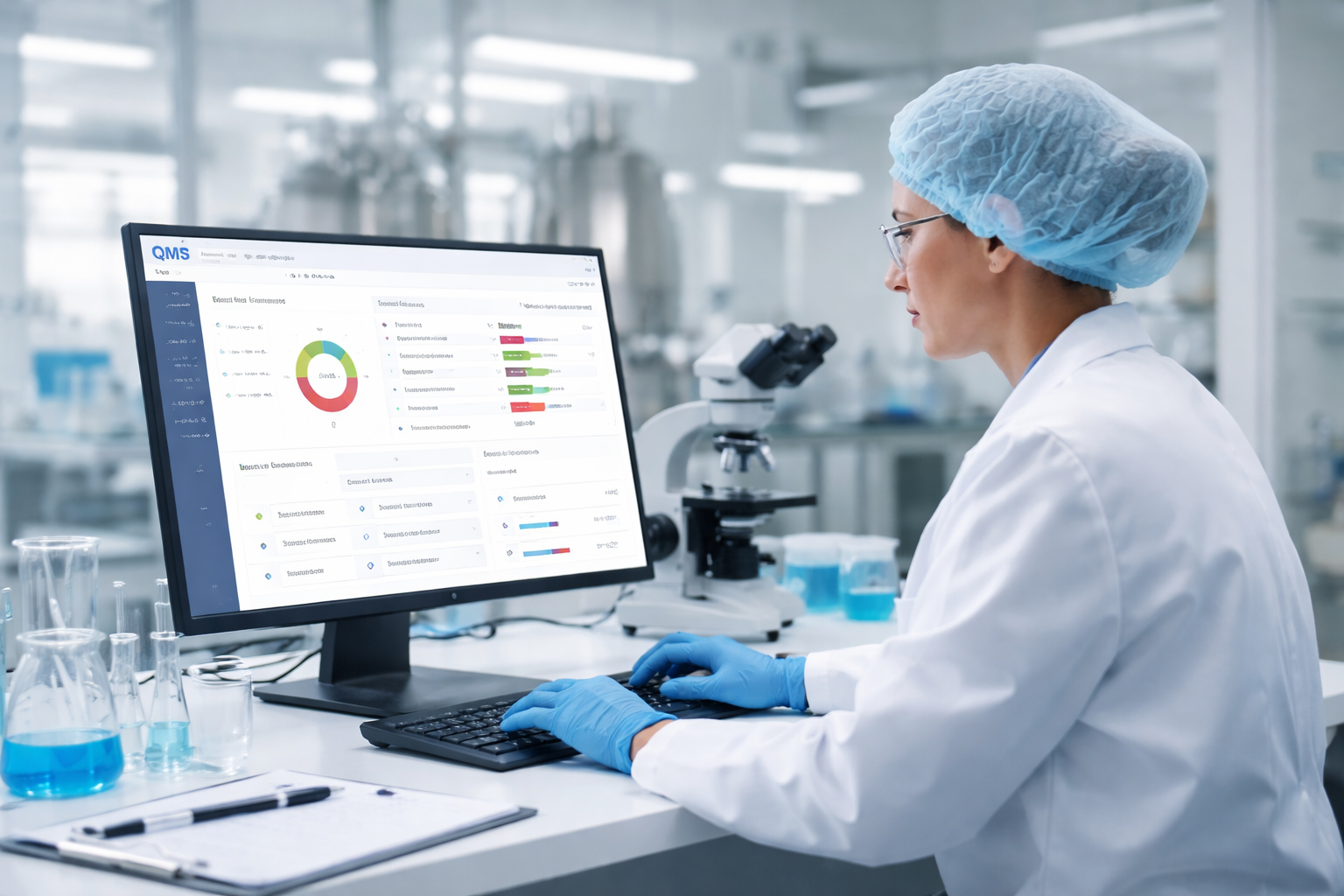
The CAPAs module of the Verifarma Integrated Solutions QMS allows you to generate automatic reports, view metrics and detect recurrent deviations or abnormal trends.
This way, teams can act preventatively before a problem recurs.
The management of CAPAs ceases to be a regulatory obligation to become a strategic tool for continuous improvement and decision-making.
Benefits of a digital and integrated approach
Adopting a digital system for managing CAPAs and deviations offers tangible benefits:
✅ Reduction of resolution times and administrative errors.
✅ Increased traceability and transparency in audits.
✅ Overview of performance of the quality system.
✅ Organizational learning based on reliable data.
In addition, when integrated with systems LIMS or ERP, CAPAs can be linked to batches, analysis and production, creating a fully connected quality ecosystem.
From obligation to strategic value
The future of quality assurance is not in recording more data, but in Make better use of them.
Companies that evolve towards an intelligent analysis model are able to reduce deviations, improve operational efficiency and demonstrate a robust system before the FDA, EMA or ANMAT.
👉 If your laboratory seeks to optimize CAPAs management and turn data into decisions, discover how Verifarma's QMS can help you